
On January 14, 2023, it became clear that the two last remaining fur farms in Norway were shutting down their operations. With this, a gruesome industry in Norway became history. Going forward, it is equally important that an import ban on fur is introduced.
The closure of the fur industry in Norway has been one of Dyrebeskyttelsen Norge’s oldest flagship causes. This industry has faced increasing opposition from professional authorities, politicians, and the public, and serious animal welfare violations have been uncovered at various times. It was therefore with great joy that the government party Venstre succeeded in advancing a proposal for closure.
In January 2018, the government, consisting of Høyre, Frp, and Venstre, presented its desire for a controlled closure of the fur industry by the transition of 2024/2025. This led to a consultation proposal that was published before New Year, and on April 10, 2019, the government presented its bill on a fur ban to the Storting.
On June 14, 2019, a vote on the closure of the fur industry was held in the Storting, and it was passed with 150 votes against 19. Fur farmers receive a closure period until February 1, 2025. On the day, five years after the government presented the closure proposal, the Norwegian Fur Breeders’ Association announced that the two last fur farms in Norway were shutting down.
Background
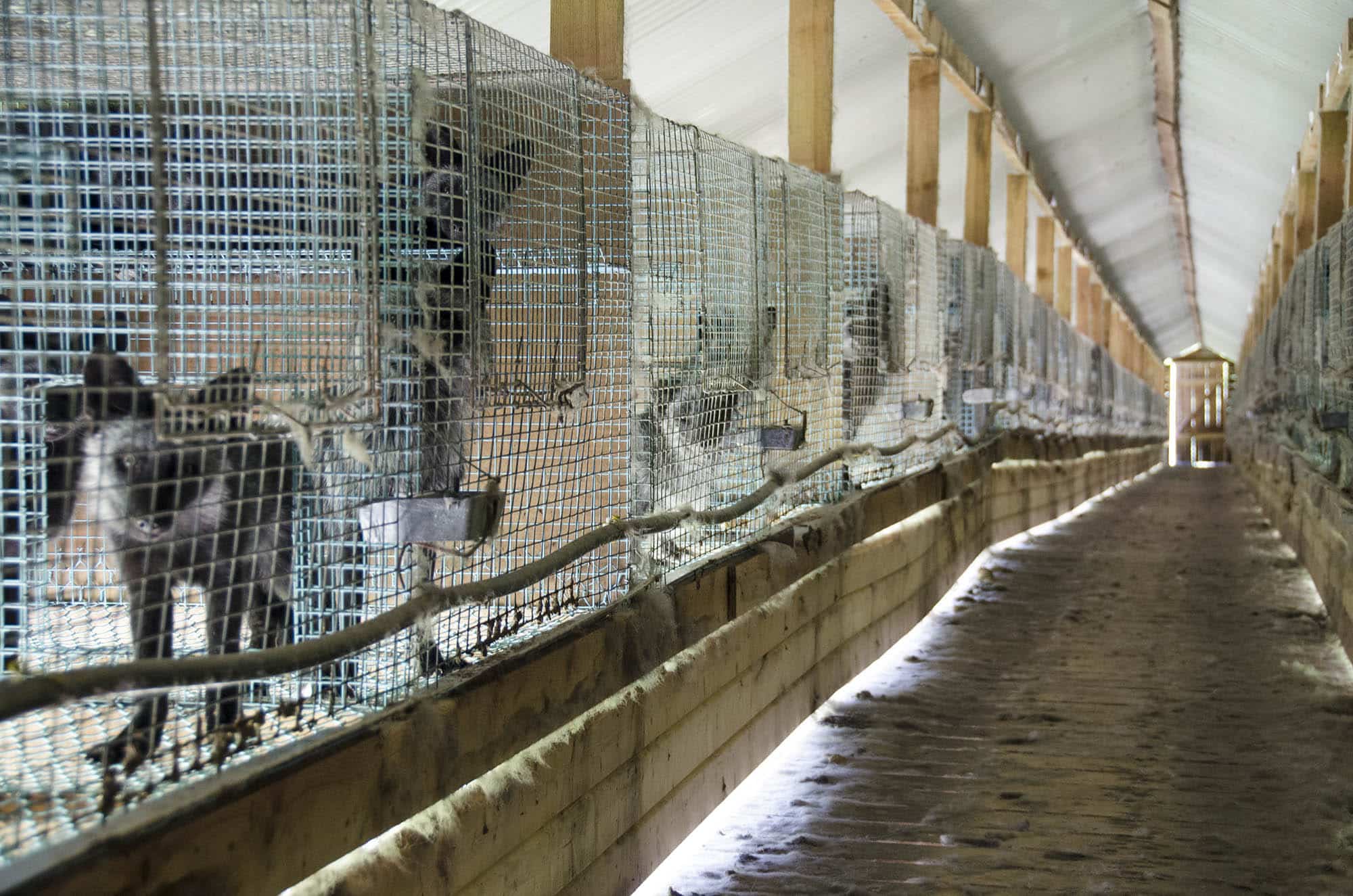
Fur farming has been a traditional industry in Norway since the 1930s, when mink were imported from North America for the purpose of breeding mink for fur products.
Throughout the 1900s and until now, many mink and foxes have escaped from fur farms around Norway. This has led to mink, which are not originally a natural part of Norwegian fauna, establishing themselves in Norwegian nature and posing a threat to Norwegian wildlife.
We are no longer dependent on fur products to keep warm in winter. We have not been for quite some time. We have access to many animal-friendly alternatives in clothing, and if one continues to use clothing made from animals, there are clothing products where the animals have had better living conditions than in the fur industry.
Illegal industry
One of the main reasons for Dyrebeskyttelsen Norge’s desire for a closure of this industry is that it violates the Animal Welfare Act. The living conditions of fur animals are so far from the animals’ natural way of life that it cannot be considered an animal welfare-defensible form of production of a product.
The Animal Welfare Act § 3 states “Animals have intrinsic value independent of any utility value they may have for humans. Animals shall be treated well and protected against the risk of unnecessary stress and strain.”
In the preparatory work for the Animal Welfare Act, it states that emphasis must be placed on whether the stress is caused by humans, what the purpose is of subjecting animals to such stress, and whether the action is generally accepted.
Animal Protection Norway believes that fur farming provides poor animal welfare for the production of a luxury product that we are not dependent on. This distinguishes fur animals from production animals, which are used for food production, and it means that the stresses and burdens on fur animals can be said to be unnecessary.
Compared to other animals used for the production of food and clothing, foxes and mink are territorial predators with a need for a large area for natural expression. Today, fur animals live in small wire cages, often together with other animals. This leads in many cases to unwanted behavior, in the form of fighting between animals, which leads to injuries and death, in addition to stress disorders.
Fur animals live their entire lives confined in wire cages, with minimal opportunities for normal movement and expression of their natural behavior. The fact that the industry believes it is not possible to implement measures that would improve the welfare of the animals without going bankrupt tells us that this is an industry that is not viable.
Uncovering serious violations of the Animal Welfare Act

An important reason for the increasing opposition to the fur industry is the uncovering of horrific living conditions for the animals. Terrible cases about fur animals that have lived under poor welfare conditions are constantly being exposed. This includes sick animals that do not receive medical treatment, or are placed in isolation to be protected from others. The exposures also show mink and foxes showing signs of serious stress disorders and dead animals left in cages with other living animals without being removed.
In a report from the Norwegian Food Safety Authority in late autumn 2016, it emerged that 44 percent of fur farmers who were inspected in the period January 2015 – November 2016 had violations. At more than every sixth breeder, the Norwegian Food Safety Authority reacted with emergency decisions. Five breeders were reported to the police and 1,178 animals were euthanized due to illness, injuries, or neglect.
Animal Protection Norway, NOAH, and Network for Animal Freedom are just some of the many animal welfare organizations that have helped uncover violations of the Animal Welfare Act in this industry. Animal Protection Norway has visited fur farms across the country and documented how foxes and minks live with breeders.
Between 2008 and 2014, Animal Protection Norway and Network for Animal Freedom inspected over 200 fur farms. The images and film footage from this period generated strong reactions from both the public and politicians. The documentary ‘Pels’ (Fur), released in 2014, highlighted the poor living conditions of these animals.
Below you can see the trailer for NRK-Brennpunkt’s episode with the documentary “Pels”. Here you can watch the entire documentary.
Fewer and fewer engage in breeding

According to figures from the Animal Welfare Alliance, the Norwegian Agriculture Agency, and annual reports from the Norwegian Fur Breeders’ Association, four out of five fur farms have been closed or shut down in the period 1999 – 2019.
In the peak year 1999, there were 1,287 fur farms in Norway. By the end of 2019, this number had dropped to 145 farms according to figures from the Norwegian Agriculture Agency. After the closure was decided in January 2019, the number of fur farms decreased considerably. In mid-January 2023, there were only two remaining fur farms in Norway before it became clear that these would also be closed, and with that, the fur industry in Norway is concluded.
Dyrebeskyttelsen Norge’s work for closure
The closure of the fur industry has been up for debate among our politicians in the Storting on several occasions. We are witnessing increasingly greater opposition in the population, which could be seen from the support in the torch march against fur, which was last held in autumn 2018. There has been internal strife in the political parties, and several parties have also, before the closure decision in the Storting, directly expressed a desire to close this industry.
Former chairman of Animal Protection Norway, director C. M. Hillesund, put the welfare of fur animals on the agenda as early as 1975, when he sought a phasing out of the industry. Our organization has worked to influence politicians and decision-makers in the Storting (Norwegian Parliament) to shed light on the issues surrounding the fur industry. We have done this through informational work, in the form of op-eds, participation in debates, hearings, and social media.
In connection with the government negotiations at Jeløya in January 2018, Venstre succeeded with its proposal to advance a controlled closure of the fur industry, with closure by a given date in 2025. The government presented a consultation proposal before New Year the same year, together with a compensation scheme for fur farmers. Based on the consultation responses received, the government announced on April 10, 2019, a bill against fur farming, with an end date of February 1, 2025. The justification for the closure of the fur industry is that the animals are subjected to stress that cannot be justified based on the purpose of animal keeping. The bill can be read in its entirety here.
On the night of June 14, 2019, a vote was held in the Storting on the Act on the prohibition of keeping fur animals. The proposal won with 150 votes against 19. This means that fur farming had to be concluded by February 1, 2025. Read more about the case process here.
Animal Protection Norway has continued its work to ensure the welfare of fur animals during this phasing-out period. The Storting’s decision has likely been a burden in the daily lives of many fur farmers, which we believe has posed a risk to poor animal welfare. The Norwegian Food Safety Authority has had to consider this in its supervisory work, so that poor welfare can hopefully be detected at an early stage. The compensation scheme for farmers affected by the phasing out must also function, so that fur farmers have the opportunity to switch to other livelihoods.
Animal Protection Norway is now working for an import ban
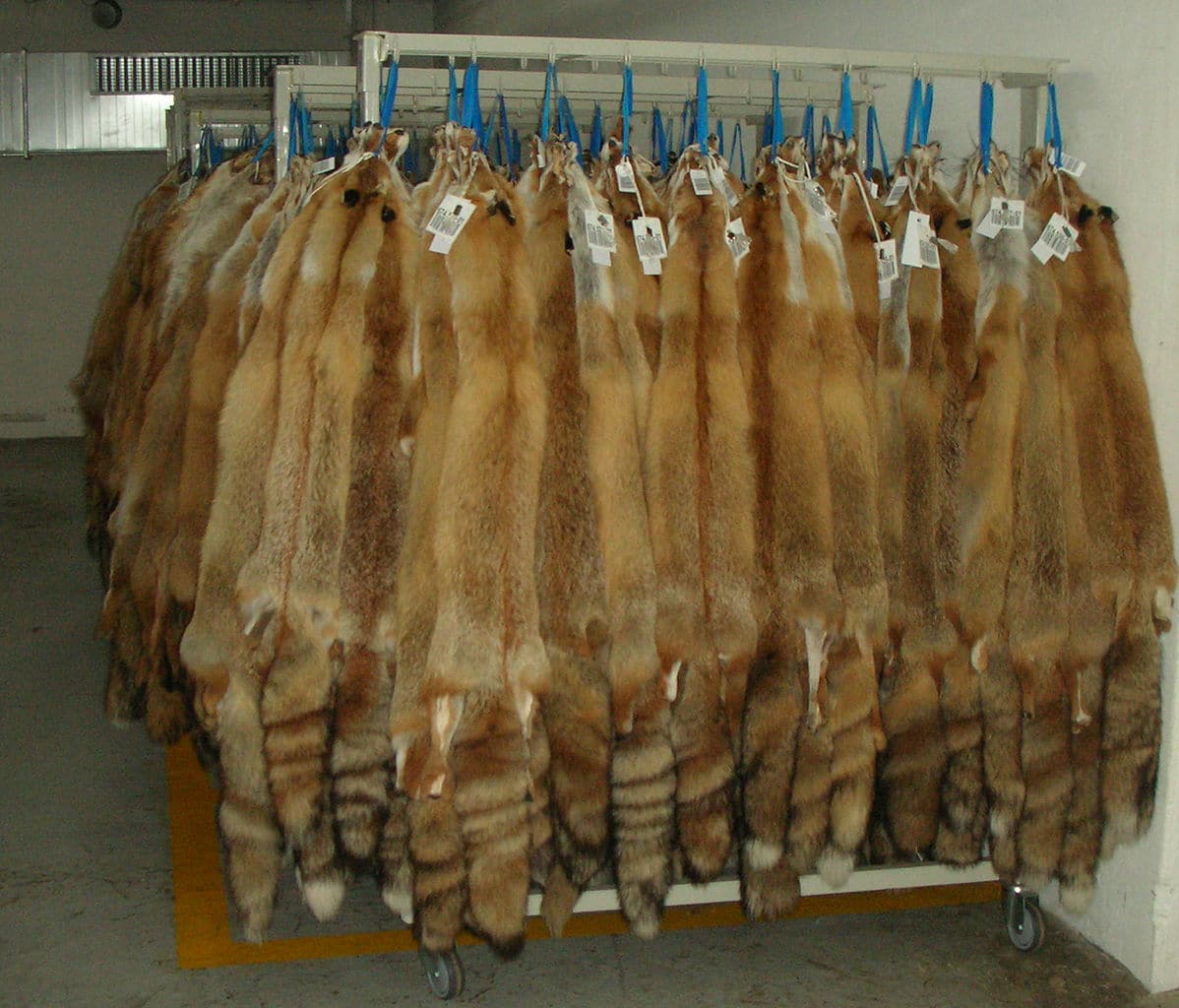
Now that the fur industry is shut down, banning the import of fur is a natural and correct next step. A ban will send important signals to the international fur industry. Without an import ban, the important work Norway has started will not be completed. We must show the world that fur is on its way out, regardless of whether the product comes from Norway or from other countries. The global goal must be to phase out all keeping of fur animals and use of such products, to protect the animals exploited in this industry.
By continuing to allow imports, we send mixed signals to the rest of the world. We do not want fur animals in Norway because the animals are subjected to stress that cannot be justified based on the purpose of animal keeping. This justification for the closure in Norway should also benefit fur animals living under the same, or worse, conditions in other countries. This must be good enough reason for all political parties to support an import ban on fur.
By saying no to the import of fur products, Norway will distance itself from fur production abroad and show that we take the welfare of all fur animals seriously. Other countries and major local cities have done this before us. In 2017, India introduced an import ban on fur, and California will become the first US state in 2023 to ban all sales and production of animal fur. Animal Protection Norway believes that an import ban is also the way forward for Norway, out of respect for both fur animals and fur farmers.
What can you do?
- Do not choose fur products (jackets with fur details, fur coats, etc.)
- Ask the manufacturer what the products are made of if you are unsure
- Spread the message to friends and acquaintances about how animals in the fur industry live
- Get involved in animal welfare – become a member of Animal Protection Norway


